 Apparel & Accessories
  Vehicles & Parts
  Toys & Games
  Sporting Goods
  Office Supplies
  Luggage & Bags
  Home & Garden
  Hardware
  Furniture
  Copied
Go to and paste the code at the checkout to enjoy

Designing Microwave Sensors for Glucose Concentration Detection in Aqueous and Biological Solutions
Best Price:
Buy Designing Microwave Sensors for Glucose Concentration Detection in Aqueous and Biological Solutions for $129.00 at @ Link.springer.com
No coupon is required — this is the standard retail price.
Set a price drop alert to never miss an offer.
Price Comparison
| Seller | Contact Seller | List Price | On Sale | Shipping | Best Promo | Final Price | Volume Discount | Financing | Availability | Seller's Page |
|---|---|---|---|---|---|---|---|---|---|---|
|
BEST PRICE 1 Product Purchase
|
|
$129.00 | $129.00 |
|
$129.00 | See Site | In stock | Visit Store |
Product Details
This book presents a comprehensive study covering the design and application of microwave sensors for glucose concentration detection, with a special focus on glucose concentration tracking in watery and biological solutions. This book is based on the idea that changes in the glucose concentration provoke variations in the dielectric permittivity of the medium. Sensors whose electrical response is sensitive to the dielectric permittivity of the surrounding media should be able to perform as glucose concentration trackers. At first, this book offers an in-depth study of the dielectric permittivity of waterglucose solutions at concentrations relevant for diabetes purposes; in turn, it presents guidelines for designing suitable microwave resonators, which are then tested in both waterglucose solutions and multi-component human blood plasma solutions for their detection ability and sensitivities. Finally, a portable version is developed and tested on a large number of individuals in a real clinical scenario. All in all, the book reports on a comprehensive study on glucose monitoring devices based on microwave sensors. It covers in depth the theoretical background, provides extensive design guidelines to maximize sensitivity, and validates a portable device for applications in clinical settings.
Reviews
Questions & Answers

Louis XIV and Europe
$24.99
Handbuch der Bildtelegraphie und des Fernsehens
$84.99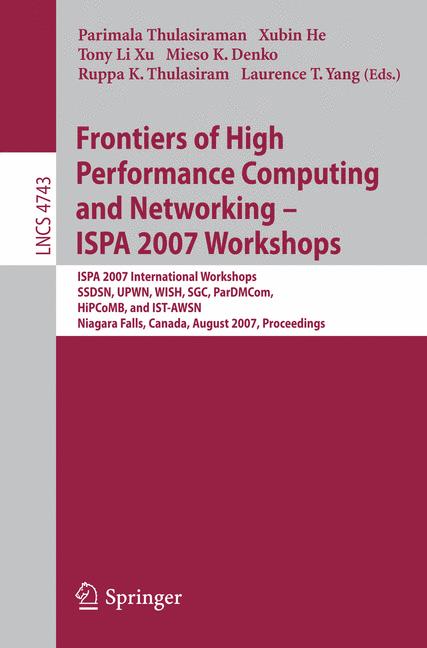
Frontiers of High Performance Computing and Networking - ISPA 2007 Workshops
$84.99
Strategy through Personal Values
$69.99
Standing Room Only
$54.99
Intracranial and Spinal Dural Arteriovenous Fistulas
$129.99
Inszenierter Terrorismus
$49.99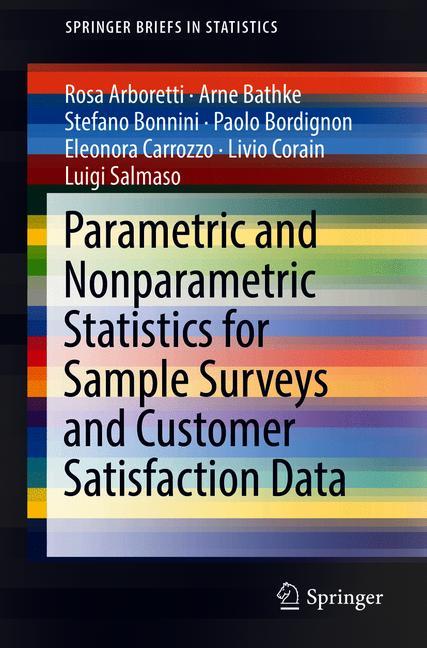
Parametric and Nonparametric Statistics for Sample Surveys and Customer Satisfaction Data
$54.99
The European Union and the Evolving Architectures of International Economic Agreements
$149.00
Der Schienenverkehr der Tschechischen Republik in der Transformation
$59.99
Financial Modeling for Business Owners and Entrepreneurs
$59.99
Die Dialektisch Behaviorale Therapie (DBT)
$74.99
Thermodynamische Grundlagen der Kolben- und Turbokompressoren
$54.99
40. Tagung, 28. September1. Oktober 1988, Saarbrcken
$69.99
Quantum Network with Multiple Cold Atomic Ensembles
$149.00
REBT with Diverse Client Problems and Populations
$179.99
Theory of Transformation Groups I
$139.99
Handbook of Solar Energy
$379.99
Grundriss der Histologie und Mikroskopischen Anatomie des Menschen
$34.99
Rechnerdirektsteuerung von Fertigungseinrichtungen
$69.99
Pascal Tools
$59.99
Foundations & Principles of Distributed Manufacturing
$109.99
Management verteilter Kompetenzen in multinationalen Unternehmen
$69.99
Ethik in der Psychiatrie
$84.99
Theorie der Variantenvielfalt
$79.99
Entrepreneurship in Post-Communist Countries
$119.00
Reference Frames for Applications in Geosciences
$169.99
Trustworthy Artificial Intelligence Implementation
$44.99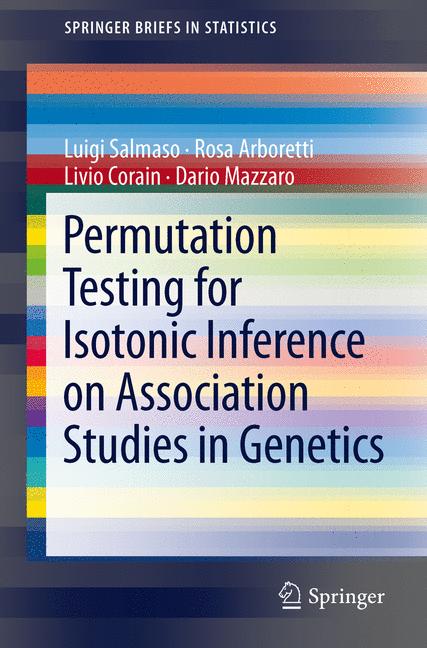
Permutation Testing for Isotonic Inference on Association Studies in Genetics
$49.95
Guide to Maritime Informatics
$79.99
Young People Re-Generating Politics in Times of Crises
$119.00
Biofilm, Pilonidal Cysts and Sinuses
$109.99
Cavity-Enhanced Spectroscopy and Sensing
$179.99
Contemporary Metal Boron Chemistry I
$219.99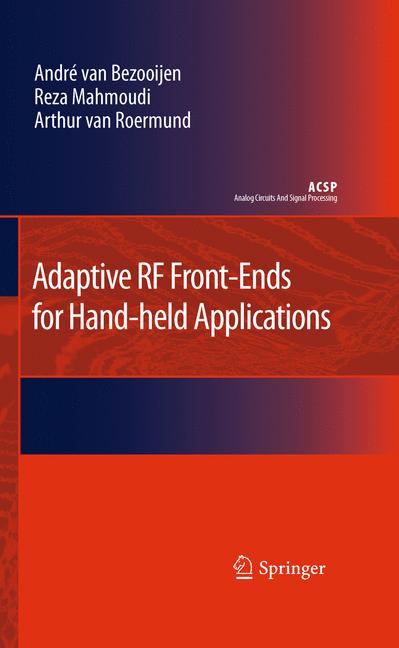
Adaptive RF Front-Ends for Hand-held Applications
$84.99
Advances in CAD/CAM
$129.00
BizTalk Server 2016
$69.99
Open Quantum Systems II
$59.99
Ludwig Faddeev Memorial
$109.99
Socio-Inspired Optimization Methods for Advanced Manufacturing Processes
$84.99

